
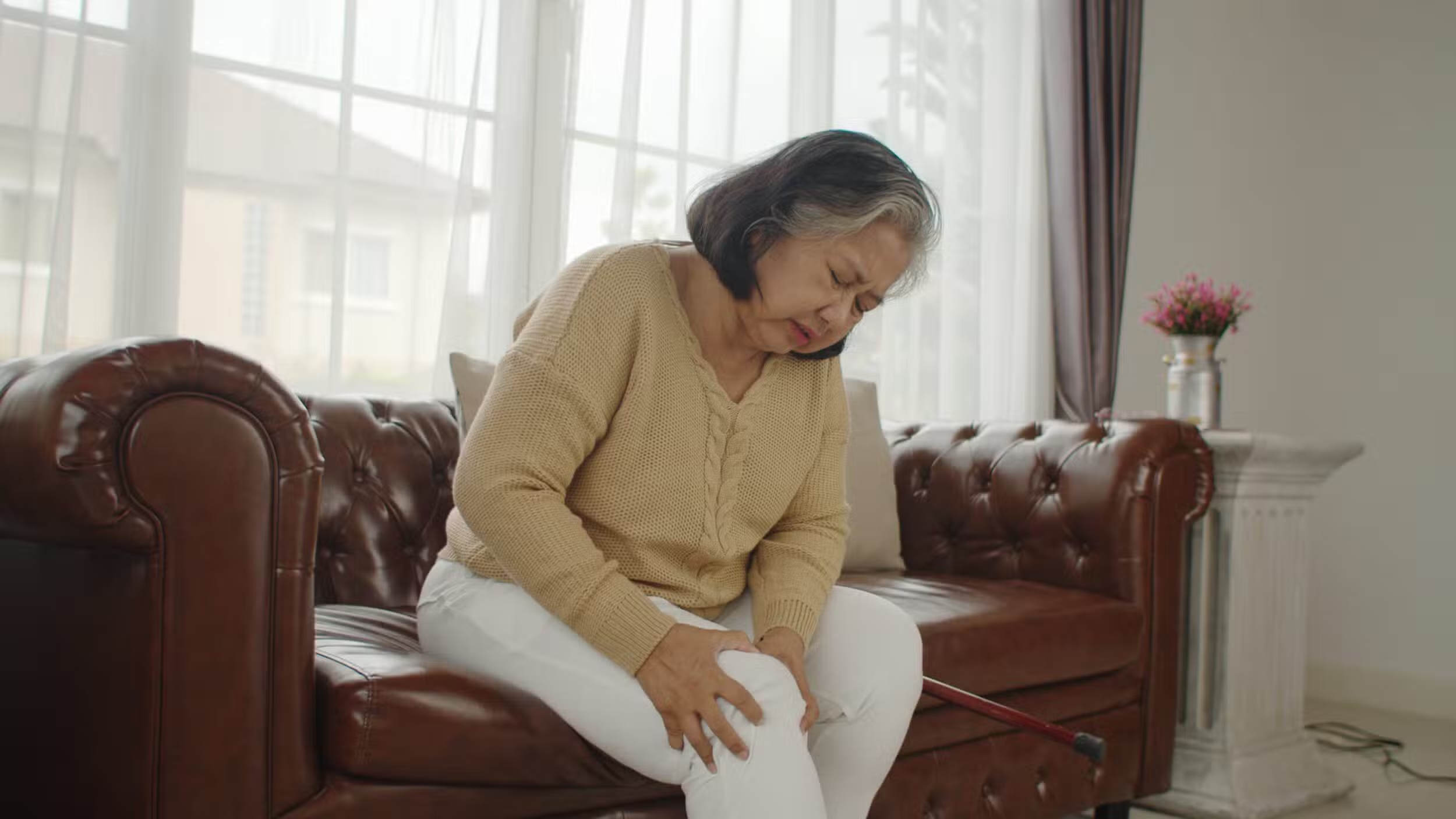
Deep vein thrombosis (DVT) can occur at any time of year, but cases tend to rise during winter. The colder months can affect your circulation, activity levels, and hydration, all of which can contribute to blood clot formation. Understanding these seasonal risks can help you stay proactive about your vein health.
Inovia Vein Specialty Centers offers accessible, minimally invasive vein care entirely in-office, making it easier and more affordable for patients to get evaluated and treated for conditions like DVT. As the Pacific Northwest’s largest vein-centric practice, their board-certified specialists combine patient-centered care, innovative technology, and years of trusted experience to help individuals protect and improve their vein health year-round.
Reduced Movement and Indoor Inactivity
One of the biggest winter-related contributors to DVT is decreased physical activity. Cold temperatures often keep people indoors, leading to more time sitting at a desk, relaxing on the couch, or staying in one place for too long. When you’re less active, blood flow slows, especially in the legs, making it easier for clots to form in the deep veins.
How Cold Weather Affects Circulation
In cold temperatures, blood vessels constrict, a natural response that helps your body conserve heat. However, this tightening can also thicken the blood and reduce circulation efficiency. For people with underlying vein issues, poor circulation, or a history of DVT, this combination can significantly increase the risk of clotting.
Winter Dehydration: A Hidden Risk
Even though you may not feel as thirsty in the winter, your body still loses fluids through normal breathing and from exposure to indoor heating. This can lead to dehydration, which thickens the blood and raises the likelihood of clot formation. Staying hydrated year-round is essential for maintaining healthy blood flow.
Holiday Travel and Long Periods of Sitting
The winter season is full of travel, whether visiting family, going on vacation, or attending holiday events. Long flights or car rides can keep you seated for hours, slowing circulation in your legs. Without breaks to move or stretch, the chances of developing DVT increase.
How to Reduce Your Winter DVT Risk
Simple lifestyle adjustments can help minimize your DVT risk during colder months. Stay active with regular indoor exercise, take movement breaks during long periods of sitting, and keep warm to support healthy circulation. Staying hydrated and using compression stockings during travel can also be beneficial.
Ensure Health Veins with DVT Diagnosis and Treatment in Portland, OR
If you have leg swelling, pain, warmth, or redness, seek medical care promptly. Call us at 800-Vein-Doc to schedule a consultation.